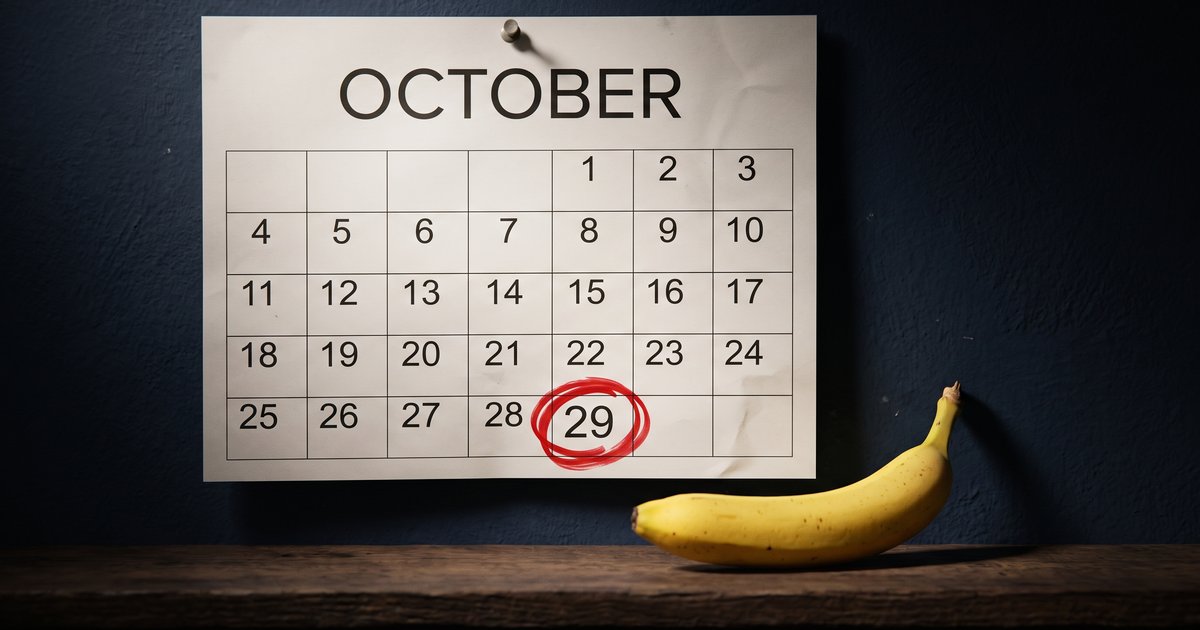
Nano Banana 2, Google's gemini-3.1-flash-image model, shuts down on October 29, 2026. Google deprecated it on October 6, 2026, the day it released Nano Banana 2.1 (gemini-nano-banana-2.1), and tells developers to migrate to 2.1. After the shutdown date the old model id stops working, so anything still calling it will start returning errors.
Who has to act: developers and businesses that call gemini-3.1-flash-image through the Gemini API, and anyone whose third-party tool still runs it. People who only use the Gemini app or AI Mode in Google Search do not have to do anything, because Google chooses the model behind those products.
What to switch to: for almost everyone, Nano Banana 2.1, which costs about half as much ($0.0336 per 1K image against $0.067) and keeps the same request shape. If you are using the shutdown as a reason to compare vendors, OpenAI's GPT Image 2.5 is the strongest alternative we have tested for ads and designed images, at a higher price. This page lays out every option, with one prompt run through four of them on this site. Accurate as of October 7, 2026.
When does Nano Banana 2 shut down?
Nano Banana 2 shuts down on October 29, 2026. That gives builders 23 days from the release of Nano Banana 2.1 on October 6 to switch. Google has not published an extension or a grace period, so treat the date as final.
Deprecated and shut down are different stages. Between October 6 and October 29, gemini-3.1-flash-image is deprecated: it still answers, but it is on its way out. From October 29 it is shut down: requests to that model id fail. Do not plan on Google silently rerouting old calls to 2.1.
| Date | What happens |
|---|---|
| 2026-10-06 | Nano Banana 2.1 (gemini-nano-banana-2.1) released and generally available; Nano Banana 2 (gemini-3.1-flash-image) deprecated |
| 2026-10-06 to 2026-10-28 | Both models work; Google recommends migrating to 2.1 |
| 2026-10-29 | Nano Banana 2 shuts down; requests to gemini-3.1-flash-image stop working |
Who is affected by the Nano Banana 2 shutdown?
The shutdown only matters to you if something you run names gemini-3.1-flash-image directly. In practice that splits into four groups:
- Gemini app and AI Mode users. Nothing to do. These are Google products, Google chooses the model behind them, and it is rolling out Nano Banana 2.1 across them.
- Developers on the Gemini API. You must change the model id before October 29. For most code it is a one-line change plus a re-test; the steps are below and in full in our 2.1 vs Nano Banana 2 guide.
- Businesses running scheduled jobs. Nightly catalog renders, batch pipelines and cron scripts are the most likely things to break, because nobody looks at them until they fail. Search every repository and config store for the old id.
- Users of third-party apps built on Nano Banana 2. Whether the app moves is the app's decision. If a workflow depends on it, ask the vendor which model it will use after October 29.
On this site, Nano Banana 2 stays in the model picker until Google retires it. After that it will be removed, and any saved draft that used it will open on Nano Banana 2.1. Nano Banana 2.1 is already the default here.
What replaces Nano Banana 2? Every option compared
Google's official replacement is Nano Banana 2.1, and for most people it is also the best one: it is the same Flash line, it is cheaper, and the request shape does not change. But a forced migration is also the cheapest moment to reconsider, so here are the realistic options side by side.
Prices are vendor list prices per image where the vendor publishes a per-image price. OpenAI bills its image models by tokens, so the cost moves with size and quality; check OpenAI's current pricing if you are comparing API bills. Speeds are from our own runs on this site in October 2026 and depend on provider load.
| Replacement | Vendor list price | Credits here | Speed in our tests | Best for | Trade-off |
|---|---|---|---|---|---|
| Nano Banana 2.1 (gemini-nano-banana-2.1) | $0.0336 at 1K, $0.0504 at 2K, $0.0756 at 4K | 20 / 20 / 30 | 11 to 14 s at 1K | Drop-in replacement, product sets, edits, panoramas | No 512 px tier |
| Nano Banana 2.1, Batch API | Half of the above, from $0.0168 | n/a | Asynchronous | Bulk jobs that can wait | Not for anything interactive |
| Nano Banana Pro | About $0.134 at 1K, $0.24 at 4K | 20 / 20 / 30 | About 29 s at 2K | The most literal instruction following in the Nano Banana family | About four times the price of 2.1 on the API |
| GPT Image 2.5 (ChatGPT Images 2.5 Flare and Sunburst) | Billed by tokens | 30 / 40 / 75 | 31 to 36 s at 1K | Ads, brand posters, typography, multi-turn edits | Higher cost, no 8:1 panoramas |
| GPT Image 2 | Billed by tokens | 10 / 15 / 20 | 26 s to over 3 min | Text-heavy layouts on a budget | Slow, adds small text nobody asked for |
| Seedream 4 (ByteDance) | Flat per image | 15 at every size | 5 to 13 s | Fast drafts, cheap 4K | Takes liberties with framing |
One prompt, four replacements
Specs only tell you so much, so here is the same prompt run on this site through four of the replacements, one attempt each, no retries. Every model spelled OPEN LATE correctly and every model put the ginger cat on the step; the differences are in framing and how much each one invents.
- Nano Banana 2.1 stayed closest to the brief: a wide corner at blue dusk, the sign painted on a board above the door, plenty of wet cobblestone.
- GPT Image 2.5 Sunburst produced the richest commercial look, with extra readable signage in the windows and a gilded sign.
- GPT Image 2.5 Flare moved in close to the door and invented a harbour behind the street.
- GPT Image 2 added five more signs around the one it was asked for.
If you are replacing Nano Banana 2 inside a pipeline that expects a certain composition, this is the kind of drift to test for before you switch.
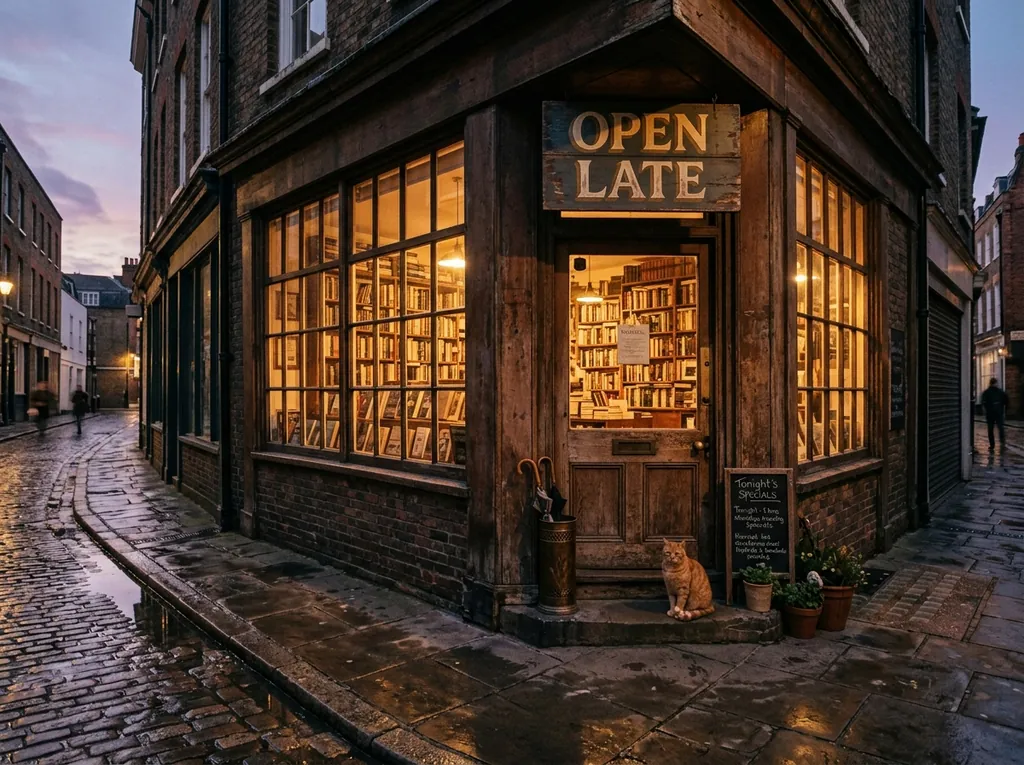
Nano Banana 2.1

GPT Image 2.5 Sunburst
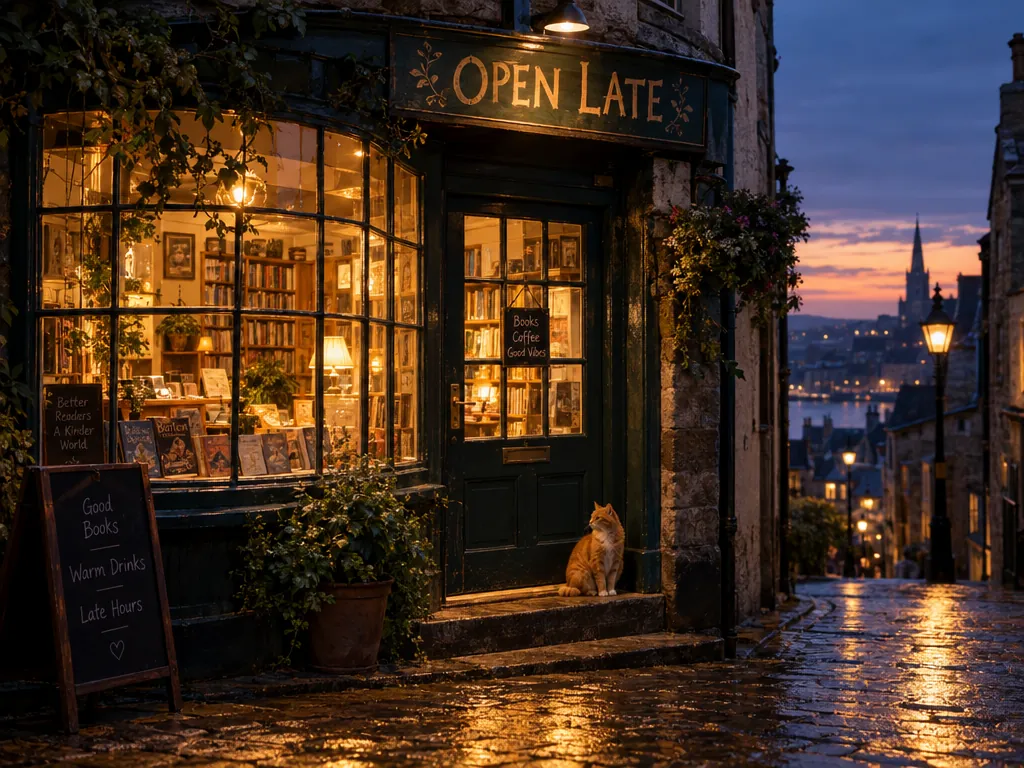
GPT Image 2.5 Flare

GPT Image 2
The official replacement: Nano Banana 2.1
Nano Banana 2.1 is the replacement Google names, and switching to it is the lowest-risk move. It is an update to Nano Banana 2 in the same Flash line, so prompts, reference images and the request shape carry over. What you gain and lose:
- Price: about half. $0.0336 per 1K image against $0.067 for Nano Banana 2, and $0.0756 at 4K against $0.151. A 2K image on 2.1 now costs less than a 1K image did on Nano Banana 2.
- New capabilities: mask-based (regional) editing, stronger subject consistency across a series, better text rendering, three thinking levels, Google Image Search grounding, and panoramic 1:4, 4:1, 1:8 and 8:1 ratios at 2K and 4K.
- References: still up to 14 per request (up to 10 objects and up to 4 characters).
- The one loss: the 512 pixel output tier. 1K is now the smallest size, so thumbnail pipelines should render at 1K and downscale.
Outputs will not be pixel-identical to Nano Banana 2, especially for designed layouts and text, which is where Google says 2.1 improved most. Re-test ten real prompts at your production settings before the cutover. The full checklist, step by step, is in Nano Banana 2.1 vs Nano Banana 2.
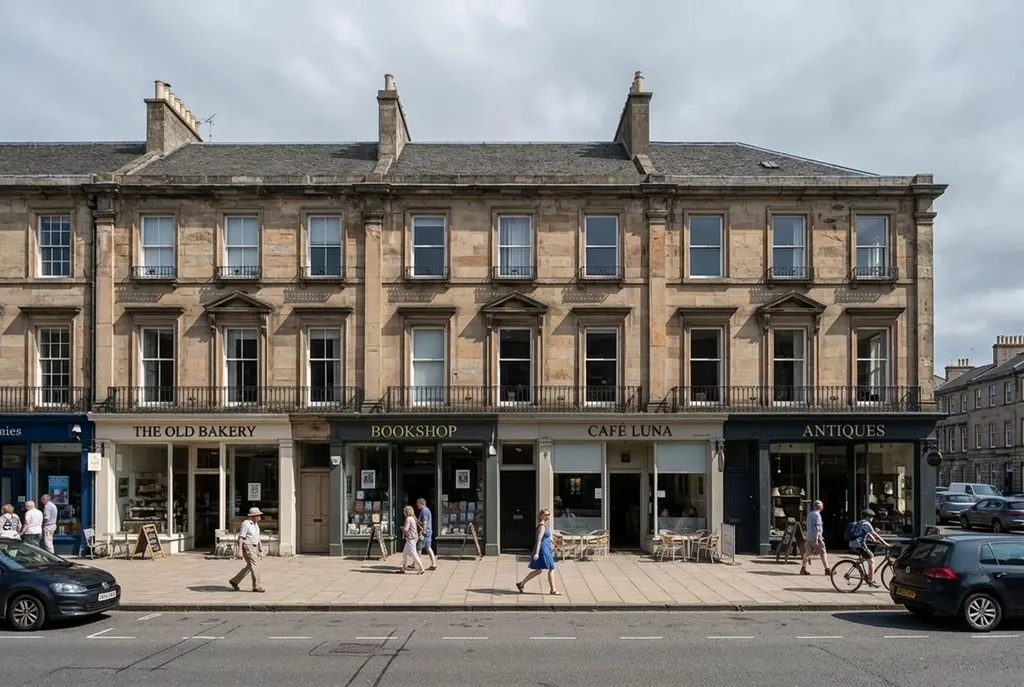
Regional edit: only the sky

8:1 panorama
Leaving Google instead: GPT Image 2.5
If the shutdown is your prompt to look beyond Google, GPT Image 2.5 is the alternative we would test first. It is OpenAI's newest image generation, offered on this site as two models at the same price: ChatGPT Images 2.5 Flare, the faster default, and ChatGPT Images 2.5 Sunburst, which the provider documentation positions for editing precision on product images, ad creatives and detailed multi-turn edits.
In our tests GPT Image 2.5 produced the most finished commercial look of any model on this site: headlines, brand names and small label lines spelled correctly, glass, condensation and splashes that hold together at 2K, and infographic layouts with one label per step in the right order. That makes it the natural pick for ads and brand assets.
The trade-offs are real. It is slower (31 to 36 seconds per 1K image in our runs, against 11 to 14 for Nano Banana 2.1), it costs more (30 credits at 1K here, against 20 for 2.1), it is billed by tokens on OpenAI's API, and it does not offer the 8:1 and 1:8 panoramas that Nano Banana 2.1 does; its widest formats here are 3:1 and 1:3. It accepts up to 16 reference images on this site.
A sensible split for many teams: Nano Banana 2.1 as the default for volume, product sets and edits, and GPT Image 2.5 for the hero ad or poster where the extra polish pays for itself. Our Nano Banana 2.1 vs GPT Image 2 guide has four same-prompt tests against OpenAI's cheaper model, and the Sunburst and Flare pages have more samples.
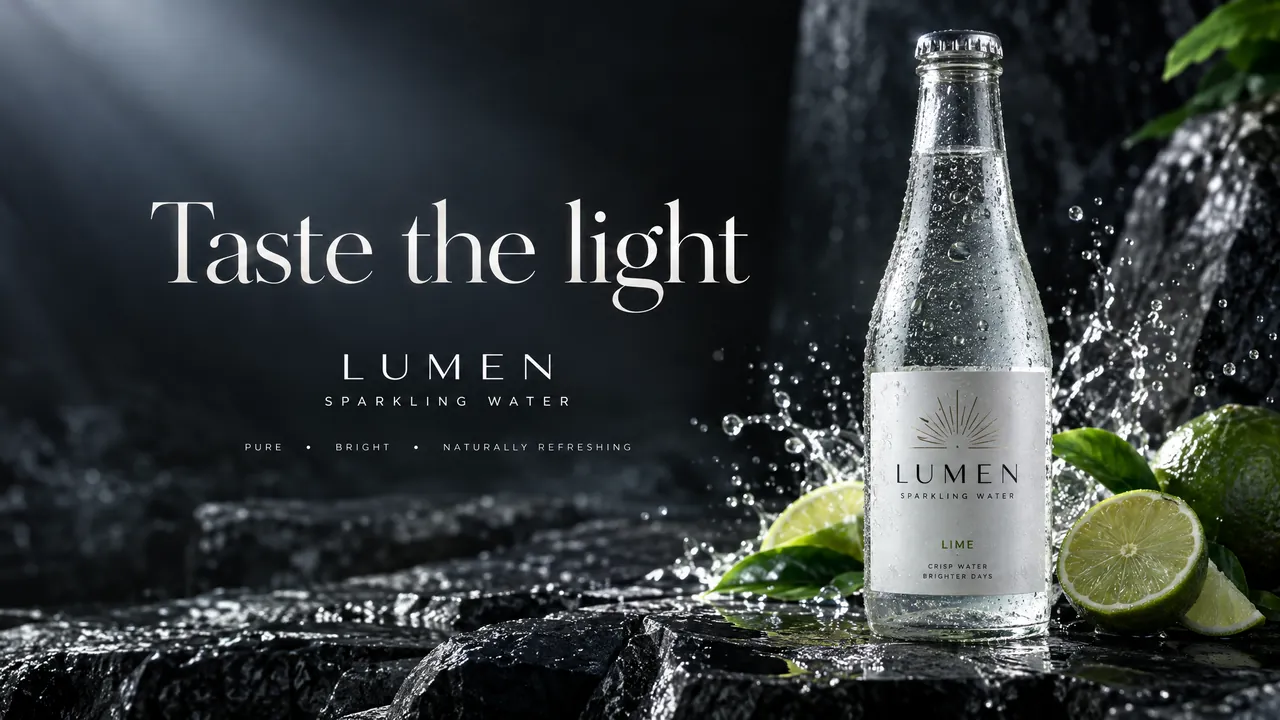
A premium advertising banner for a fictional sparkling water brand called LUMEN: a chilled glass bottle with condensation on wet black stone, a splash of lime, the headline 'Taste the light' in an elegant serif on the left, dramatic studio lighting, every word spelled exactly as written.
ChatGPT Images 2.5 Sunburst · 16:9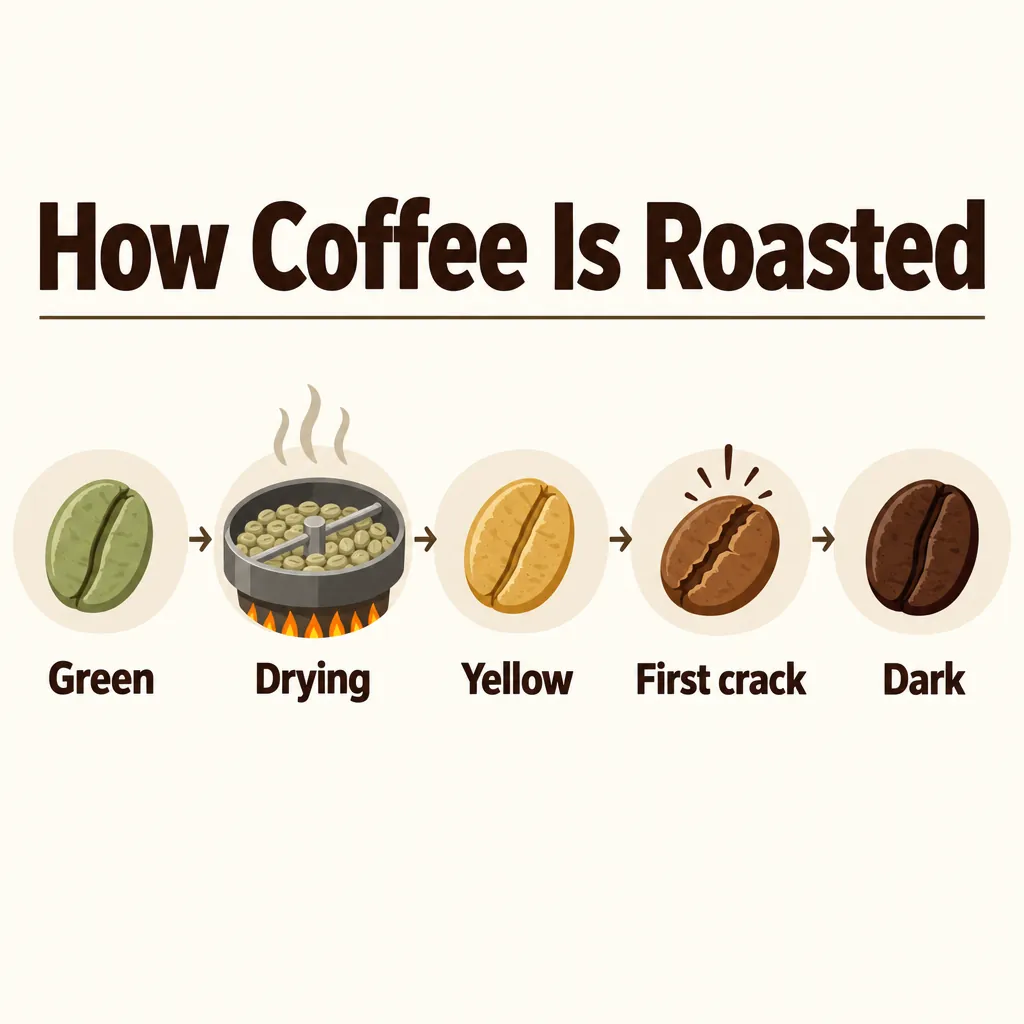
A clean infographic poster titled 'How Coffee Is Roasted' showing five labeled stages from green bean to dark roast, each with a small icon and a one-word label (Green, Drying, Yellow, First crack, Dark), flat vector style on a cream background, every word spelled exactly as written.
ChatGPT Images 2.5 Sunburst · 1:1
What replacing Nano Banana 2 does to your bill
Moving to Nano Banana 2.1 is one of the rare migrations that lowers the bill. For 1,000 images a month at Google's list prices:
Moving to Nano Banana Pro or to an OpenAI model is a choice to spend more for a different look, not a like-for-like replacement. Price it on your real prompts: OpenAI's token billing means a long prompt with several reference images costs more than a short one.
On this site every option is a flat credit price per image from one balance, with failed or refused images refunded automatically, so you can run the same prompt through several replacements and compare before committing. New accounts get 20 free credits, enough for one Nano Banana 2.1 image. Plans are on the pricing page, and the full per-image breakdown is in our Nano Banana 2.1 pricing guide.
| Model | 1,000 images at 1K | 1,000 images at 4K |
|---|---|---|
| Nano Banana 2 (until 2026-10-29) | $67 | $151 |
| Nano Banana 2.1 | $33.60 | $75.60 |
| Nano Banana 2.1, Batch API | $16.80 | $37.80 |
| Nano Banana Pro | about $134 | about $240 |
Errors you will see if you miss the deadline
If something still calls gemini-3.1-flash-image after October 29, 2026, the request fails instead of falling back to another model. The usual symptoms, and the fix for each:
- Requests to the old model id return an error. Fix: replace gemini-3.1-flash-image with gemini-nano-banana-2.1 everywhere, including tests, fixtures, environment variables, config rows and cron scripts.
- Requests for 512 pixel output are rejected on 2.1. Fix: ask for 1K and downscale on your side.
- A scheduled job fails silently overnight. Fix: add an alert on failed image calls before the cutover, not after.
- A third-party app stops generating. Fix: check whether the vendor has moved to 2.1, and whether you can choose the model yourself.
For other problems with the new model (refusals, garbled text, edits that change too much), see Nano Banana 2.1 not working.
A 15-minute plan for the switch
For a typical integration, the migration fits in one sitting:
- Find every use. Search all code and config for gemini-3.1-flash-image.
- Swap the id to gemini-nano-banana-2.1, and move the model name into configuration if it is hard-coded, so the next deprecation is a value change.
- Replace any 512 pixel requests with 1K.
- Run ten real prompts at your production ratio and size, and look for broken layouts or text rather than taste differences.
- Decide whether anything should move to Batch (half price) or to a premium model for a specific job.
- Ship before October 29, and keep an alert on failed calls for the week after.
If you would rather not touch code at all, every replacement on this page is in the same picker in the generator above: Nano Banana 2.1 by default, plus Nano Banana Pro, GPT Image 2.5 Flare and Sunburst, GPT Image 2 and Seedream 4. For code samples, see the Nano Banana 2.1 API guide.
FAQ
When does Nano Banana 2 shut down?
On October 29, 2026. Google deprecated Nano Banana 2 (gemini-3.1-flash-image) on October 6, 2026, when it released Nano Banana 2.1, and has not published an extension or grace period.
What replaces Nano Banana 2?
Google names Nano Banana 2.1 (gemini-nano-banana-2.1) as the replacement. It is about half the price ($0.0336 per 1K image against $0.067), keeps the same request shape and adds regional editing, better consistency and panoramic ratios. It drops the 512 pixel tier.
Do I need to do anything if I use the Gemini app?
No. The shutdown affects code that calls gemini-3.1-flash-image through the Gemini API. In the Gemini app and AI Mode, Google chooses the model and is rolling out Nano Banana 2.1 there.
What happens to API calls after October 29?
Requests to gemini-3.1-flash-image stop working and return errors. Do not rely on Google rerouting them to 2.1; change the model id before the deadline.
Is GPT Image 2.5 a good alternative to Nano Banana 2?
For ads, posters and designed images it is the strongest model we have tested, with text and product details rendered cleanly. It is slower and more expensive than Nano Banana 2.1, is billed by tokens on OpenAI’s API, and does not offer 8:1 panoramas. Many teams will use 2.1 for volume and GPT Image 2.5 for hero assets.
Will my Nano Banana 2 prompts work on Nano Banana 2.1?
Mostly yes, since 2.1 is an update in the same line with the same request shape and up to 14 references. Expect different results on designed layouts and text, where 2.1 changed most, and re-test a sample of real prompts before switching.
What happens to Nano Banana 2 on nanobanana21.app?
It stays in the picker until Google retires it, then it will be removed and saved drafts that used it will open on Nano Banana 2.1, which is already the default. nanobanana21.app is an independent site, not affiliated with Google.