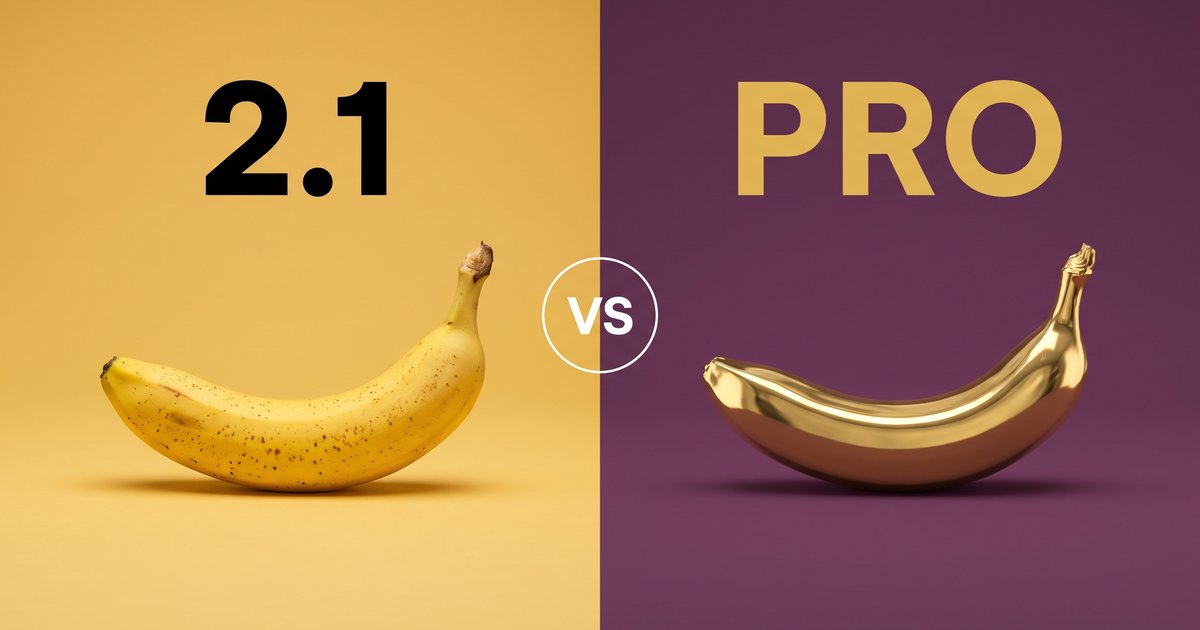
Until 2026-10-06 this comparison could not honestly be made, because one side of it was a string in a product build. Nano Banana 2.1 is now released and generally available, with a published model id and a published price, so nano banana 2.1 vs nano banana pro is finally a question about specs.
The short answer: these are two tiers, not two rivals. Nano Banana 2.1 is the Flash tier, an update to Nano Banana 2, built for speed and low cost, and Google positions it as the efficient counterpart to Nano Banana Pro. Nano Banana Pro is Gemini 3 Pro Image, the top of the family, and still the one to reach for when an image has to carry a lot of readable type.
There is no independent benchmark yet. As of 2026-10-06 nobody outside Google has placed 2.1 in an arena or published an evaluation, so this page compares published specs, plus our own same-prompt test of the two models we already run. Nano Banana 2.1 on this site uses Nano Banana Pro.
Nano banana 2.1 vs nano banana pro: the spec table
Side by side on what Google has published, as of 2026-10-06:
Read the table as a tier split rather than a scoreboard. 2.1 wins on price and on the new editing and ratio features; Pro wins where the job is a single final image that has to be perfect, especially one dense with type.
One honest gap: we are not quoting a price for Nano Banana Pro on this page, because we are only working from Google's 2.1 pricing. Compare costs on this site in credits instead, which is what you actually spend here.
| Nano Banana 2.1 | Nano Banana Pro | |
|---|---|---|
| Tier | Flash: speed and cost | Pro: top quality |
| Gemini lineage | Update to Nano Banana 2 (Gemini 3.1 Flash Image) | Gemini 3 Pro Image |
| API model id | gemini-nano-banana-2.1 | Published in Google docs |
| Output resolution | 1K, 2K, 4K (no 512 pixel tier) | Up to 4K |
| Reference images | Up to 14 (10 objects, 4 characters) | Up to 14 |
| In-image text | Improved, aimed at infographics and marketing assets | Strongest in the family |
| Mask-based editing | Yes, one of the headline gains | Not stated |
| Extreme ratios 1:4, 4:1, 1:8, 8:1 | Yes, at 2K and 4K | Not stated |
| Thinking levels | minimal, medium (default), high | Not stated |
| Search grounding | Google Search, now including Google Image Search | Not stated |
| Price per image | $0.0336 at 1K, $0.0504 at 2K, $0.0756 at 4K, batch 50 percent off | Not quoted on this page |
| Watermark | SynthID on every output | Not stated |
What Nano Banana 2.1 brings that Pro does not advertise
Three of the gains Google highlights are the reason to pick 2.1 for production work rather than only for drafts:
- Mask-based editing. Changing only a selected region of an image, instead of regenerating the scene, is the difference between a retouch and a reroll. It is the feature most likely to change how you work day to day.
- Subject consistency. People and objects keeping their identity across edits and across related images is what turns one good picture into a set: six frames of the same character, a product in five settings, a cast that still looks like itself in the last frame.
- Extreme and panoramic aspect ratios: 1:4, 4:1, 1:8 and 8:1 at 2K and 4K. These used to require tiling several generations together, with artifacts at the seams. Now they come out of one request, which makes site headers, skyscraper ads and tall mobile banners practical.
Add the operational details: up to 14 reference images in one request (up to 10 objects and up to 4 characters), Google Search grounding that now includes Google Image Search, three thinking levels (minimal, medium as the default, high), and a SynthID watermark on every output.
Google also says 2.1 outperforms its previous image models across the board, with visual design the biggest single leap. That is Google's own claim and no third party has checked it yet.
What Nano Banana Pro is still for
Nano Banana Pro is the nickname for Gemini 3 Pro Image, and the case for it has narrowed rather than disappeared. It remains the strongest model in this family at rendering readable text inside images: headlines on a poster, a product name on packaging, a sign in a street scene, a label that follows the curve of a bottle. If a job is mostly typography, start there.
It also handles many reference images well, up to 14 in one request, which matters for character consistency and style matching. Output goes up to 4K, and on this site you choose 1K, 2K or 4K with aspect ratios from 1:1 through 21:9.
The tradeoff is the usual one for a Pro-line model: it is not the fastest, and it is not the cheapest. When you are hunting for a composition and expect to discard most attempts, the Flash line is the better tool, and that is exactly the division of labor Google describes when it calls 2.1 the efficient counterpart to Pro.
Nano Banana Pro vs Nano Banana 2: same prompt, side by side
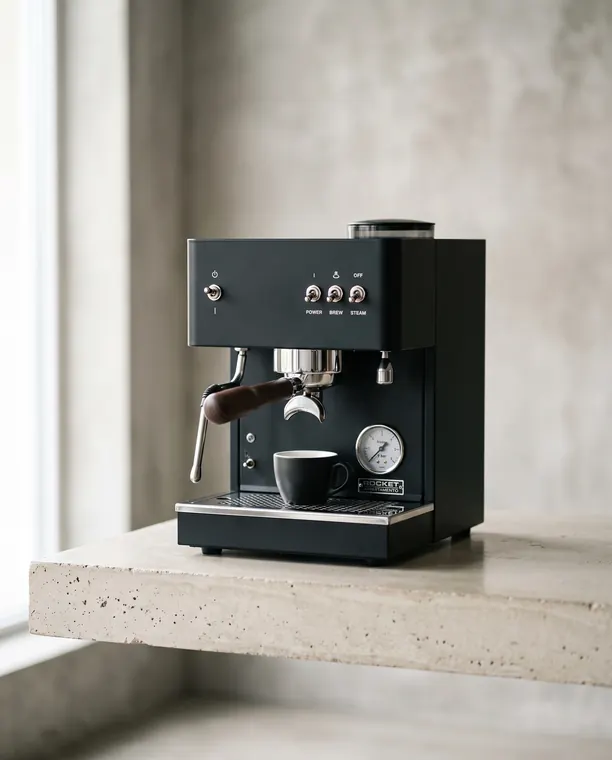
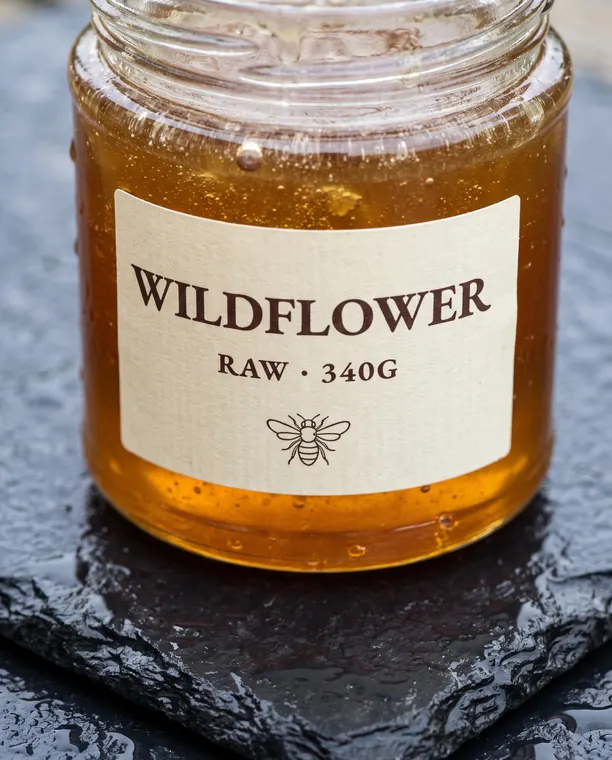
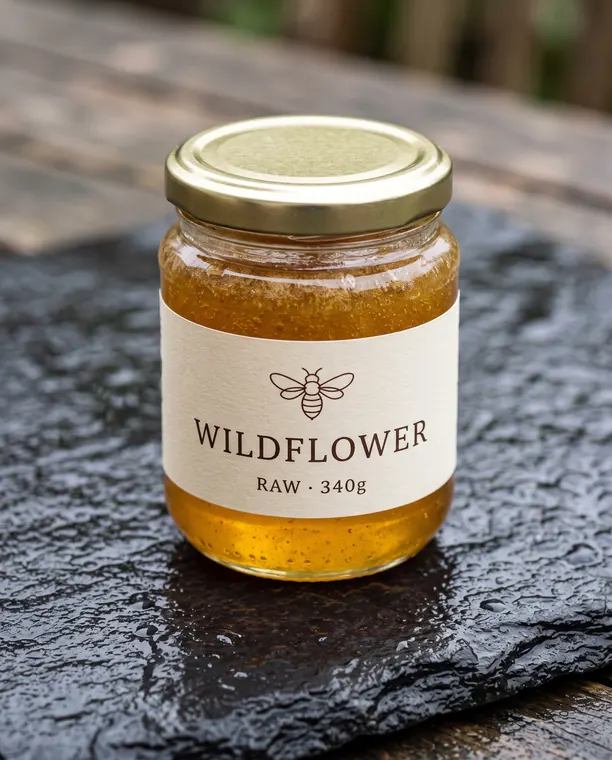
Specs only go so far, so we ran the same prompts through two models on 2026-10-06, at 2K, one attempt each, no cherry-picking between retries. This test is Nano Banana Pro against Nano Banana 2, the two models we were running that day. The Nano Banana 2.1 option on this site uses Nano Banana Pro; it is not a third model in this comparison.
Pro is on the left and Nano Banana 2 on the right in every pair.
The short version: the gap is smaller than the names suggest. Both rendered every requested word correctly. Pro followed instructions more literally and kept compositions cleaner; Nano Banana 2 added more detail and sometimes extra things nobody asked for. In our runs Pro took about 29 seconds per image and Nano Banana 2 about 21. Since 2.1 is an update to Nano Banana 2 rather than to Pro, read the right-hand column as the starting point 2.1 improves on.
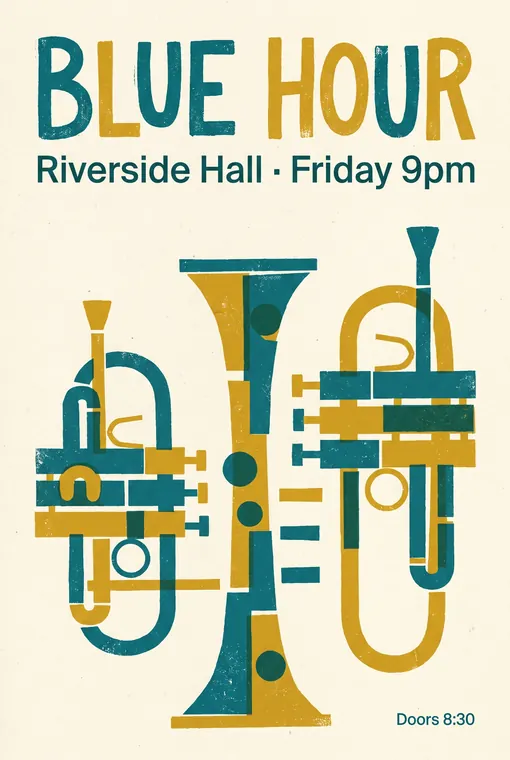
Nano Banana Pro
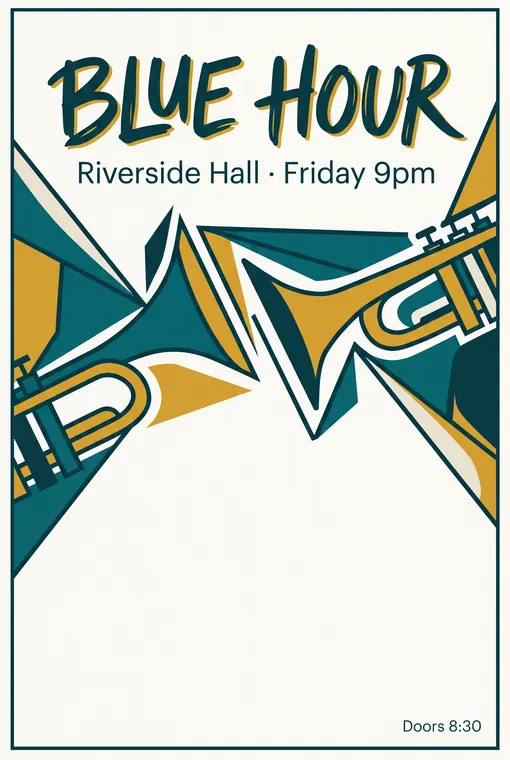
Nano Banana 2

Nano Banana Pro

Nano Banana 2
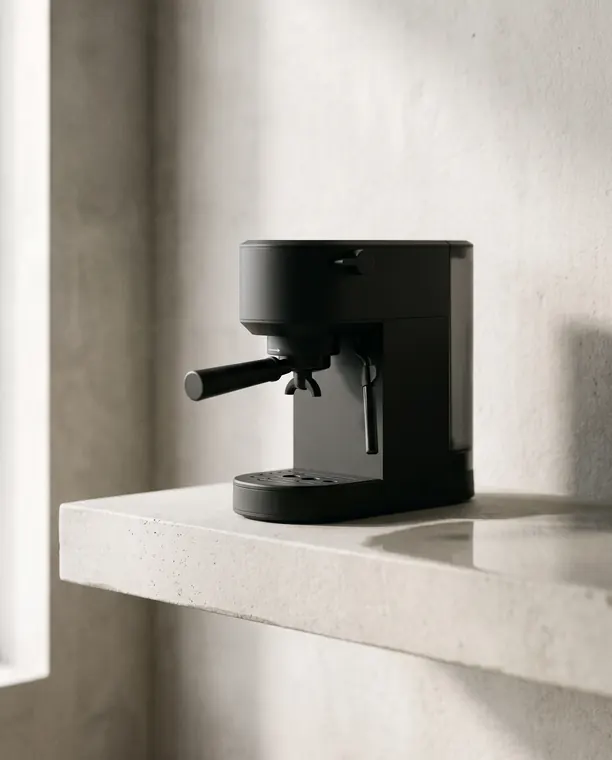
Nano Banana Pro
Nano Banana 2
Nano Banana Pro
Nano Banana 2

Nano Banana Pro

Nano Banana 2

Nano Banana Pro

Nano Banana 2
Confirmed, and still unpublished
Confirmed as of 2026-10-06:
- Nano Banana 2.1 was released and became generally available on 2026-10-06, as gemini-nano-banana-2.1 in the Gemini API.
- It is an update to Nano Banana 2 (Gemini 3.1 Flash Image), in the Flash line, positioned as the efficient counterpart to Nano Banana Pro.
- Its gains, per Google: across the board, with the biggest leaps in visual design, mask-based editing and subject consistency, plus better visual quality, prompt adherence, multi-turn character consistency and text rendering.
- Output 1K, 2K and 4K; ratios 1:1, 3:2, 2:3, 3:4, 4:3, 4:5, 5:4, 9:16, 16:9, 21:9, plus 1:4, 4:1, 1:8 and 8:1 at 2K and 4K; up to 14 reference images; image-search grounding; thinking levels minimal, medium and high; SynthID on every output.
- Price per image: $0.0336 at 1K, $0.0504 at 2K, $0.0756 at 4K, batch 50 percent off.
- Nano Banana Pro is Gemini 3 Pro Image, up to 4K, the strongest in-image text in the family, up to 14 reference images.
- Nano Banana 2 (gemini-3.1-flash-image) is deprecated and shuts down on 2026-10-29.
Still unpublished:
- Any independent benchmark of 2.1: no arena placement, no third-party evaluation.
- The plan limits in the consumer products, and the list of countries where they offer it.
- Head-to-head quality numbers against Nano Banana Pro. Google says 2.1 beats its previous image models, and Pro is one of those, but no measured comparison has been published.
Nano banana 2.1 vs nano banana 2
This is the comparison with a simple answer, because 2.1 replaces 2. Nano Banana 2 is Gemini 3.1 Flash Image, and gemini-3.1-flash-image is now deprecated with a shutdown on 2026-10-29. Google tells developers to migrate to 2.1.
What you gain: mask-based regional editing, stronger subject consistency, better text rendering, the extreme and panoramic ratios, image-search grounding, and selectable thinking levels. What you pay: less. At 1K, 2.1 lists at $0.0336 against $0.067 for Nano Banana 2, so about half.
What you lose: the 512 pixel output tier, which 2.1 does not offer. If any pipeline of yours asks for 512 pixel images, change it to 1K before the shutdown date.
There is also Nano Banana 2 Lite, the lighter option that sits next to the others in Flow's picker and in ours. It is still available here.
Which one should you use today?
Pick Nano Banana Pro when the image is a final deliverable dense with readable type, when you are matching a character or a product across many references and want the most careful result, or when you have settled a composition and want the single best render of it.
Pick Nano Banana 2.1 for nearly everything else: drafting, iteration, regional edits on an image you already like, long panoramic banners, series work where the same subject has to appear in frame after frame, and any volume job where price matters. Batch mode halves that price again.
A workflow that uses both: draft at 1K on the Flash model until the framing is right, then either refine it in place with a regional edit or re-render the keeper at 2K or 4K on Pro if it needs typographic polish.
On this site, Nano Banana 2.1 uses Nano Banana Pro; Nano Banana Pro, Nano Banana 2, Nano Banana 2 Lite and the original Nano Banana are all in the picker today. Account mechanics are the same for every model: credits with credit packs or monthly plans, Google sign-in, automatic refunds on failed images, and a private library.
FAQ
Is Nano Banana 2.1 better than Nano Banana Pro?
They are different tiers, so it depends on the job. 2.1 is the Flash model: faster, cheaper, with mask-based editing and panoramic ratios. Pro is the Pro model and still the strongest at readable in-image text. No independent benchmark of 2.1 exists as of 2026-10-06.
What is Nano Banana 2.1 under the hood?
An update to Nano Banana 2, which is Gemini 3.1 Flash Image, so it is a Flash-line model. The API model id is gemini-nano-banana-2.1. Google calls it the efficient counterpart to Nano Banana Pro.
What is Nano Banana Pro under the hood?
Gemini 3 Pro Image. It outputs up to 4K, renders text inside images better than anything else in the family, and accepts up to 14 reference images in one request.
How much cheaper is Nano Banana 2.1?
Against Nano Banana 2 it is about half: $0.0336 per image at 1K versus $0.067, then $0.0504 at 2K and $0.0756 at 4K, with batch mode 50 percent off. We are not quoting a Nano Banana Pro price here.
Was Nano Banana 2.1 just Nano Banana Pro relabeled?
No. That theory circulated while 2.1 was only a string in Google Flow, and the release settled it: 2.1 is a new Flash-line model, an update to Nano Banana 2, and Nano Banana Pro continues to exist separately.
Should I migrate from Nano Banana 2 to 2.1?
Yes, and soon. gemini-3.1-flash-image is deprecated and shuts down on 2026-10-29. The change is mostly the model id, plus moving any 512 pixel requests up to 1K, since that tier is gone.
What do the thinking levels change?
Nano Banana 2.1 offers minimal, medium (the default) and high. Higher levels spend more time on the request, which is aimed at complex instructions; minimal is for simple, high-volume generations.
Which model should I choose on this site?
Nano Banana Pro for text-heavy finals and careful multi-reference work; Nano Banana 2 or Nano Banana 2 Lite for fast iteration. Nano Banana 2.1 uses Nano Banana Pro.
Do I lose credits if a generation fails?
No. Failed images are refunded in credits automatically, so you only pay for images you actually receive.
Is this site affiliated with Google?
No. nanobanana21.app is independent and not affiliated with, endorsed by or sponsored by Google. Nano Banana is a Google trademark, referenced here only to say which models this tool calls.