Nano Banana 2.1 vs GPT Image 2 is the comparison most people actually face in October 2026: Google's newest Flash-tier image model, released on 2026-10-06, against OpenAI's GPT Image 2, the cheaper of OpenAI's current image models. Both render readable text, both edit photos from reference images, and both sit in the low-cost tier of their vendor's lineup.
The short answer: in our test the two were closer than their marketing suggests. Both spelled every requested word correctly. Nano Banana 2.1 was much faster for us (11 to 14 seconds against 38 seconds to over 3 minutes), handles panoramic 8:1 and 1:8 formats that GPT Image 2 does not offer, and holds up to 4 characters across references. GPT Image 2 produced the more dynamic ad composition and the tidiest table-like layout, and on this site it costs half as many credits per image.
Everything below was generated on this site on 2026-10-07, one attempt per model per prompt, no retries and no cherry-picking. You can rerun any prompt in the generator above: both models are in the same picker and share one credit balance.
Which is better, Nano Banana 2.1 or GPT Image 2?
Neither wins everything. Nano Banana 2.1 is the better default for fast iteration, consistent characters, edits that must leave the rest of the photo alone, and extreme formats such as 8:1 web headers. GPT Image 2 is the better pick when a layout has many aligned elements (menus, price lists, labels) or when you want a bolder, more art-directed composition, and it is the cheaper of the two per image on this site.
- Choose Nano Banana 2.1 for: product sets that must match, multi-image edits (up to 14 references), panoramic banners, real places grounded in Google Image Search, and anything where waiting minutes per image breaks your workflow.
- Choose GPT Image 2 for: dense text layouts, posters with strict alignment, dramatic ad shots, and bulk drafts where cost per image matters more than speed.
- Try both when the image is going into an ad or a listing. A second opinion costs 10 to 20 credits here and often settles the question faster than prompt tweaking.
Nano Banana 2.1 vs GPT Image 2: the spec table
The table separates what the vendors publish from what we measured. Speeds are from our own runs on 2026-10-07 and depend on provider load, so treat them as a snapshot, not a guarantee.
| Nano Banana 2.1 | GPT Image 2 | |
|---|---|---|
| Vendor | Google (Gemini API id gemini-nano-banana-2.1) | OpenAI |
| Released | 2026-10-06, generally available | Earlier; OpenAI’s previous-generation image model |
| Resolutions | 1K, 2K, 4K | 1K, 2K, 4K |
| Aspect ratios | 15, including 4:1, 8:1, 1:4, 1:8 | 15 on this site, up to 3:1 and 1:3; no 8:1 |
| Reference images | Up to 14 (10 objects, 4 characters) | Up to 15 on this site |
| Vendor list price | $0.0336 at 1K, $0.0504 at 2K, $0.0756 at 4K (batch 50% off) | Billed by tokens; varies with quality and size |
| Credits on this site | 20 at 1K, 20 at 2K, 30 at 4K | 10 at 1K, 15 at 2K, 20 at 4K |
| Speed in our test | 11 to 14 seconds at 1K | 38 seconds to 3 min 21 s at 1K |
| Search grounding | Google Search, including Google Image Search | Not offered on this site |
Test 1: exact text on a chalkboard menu
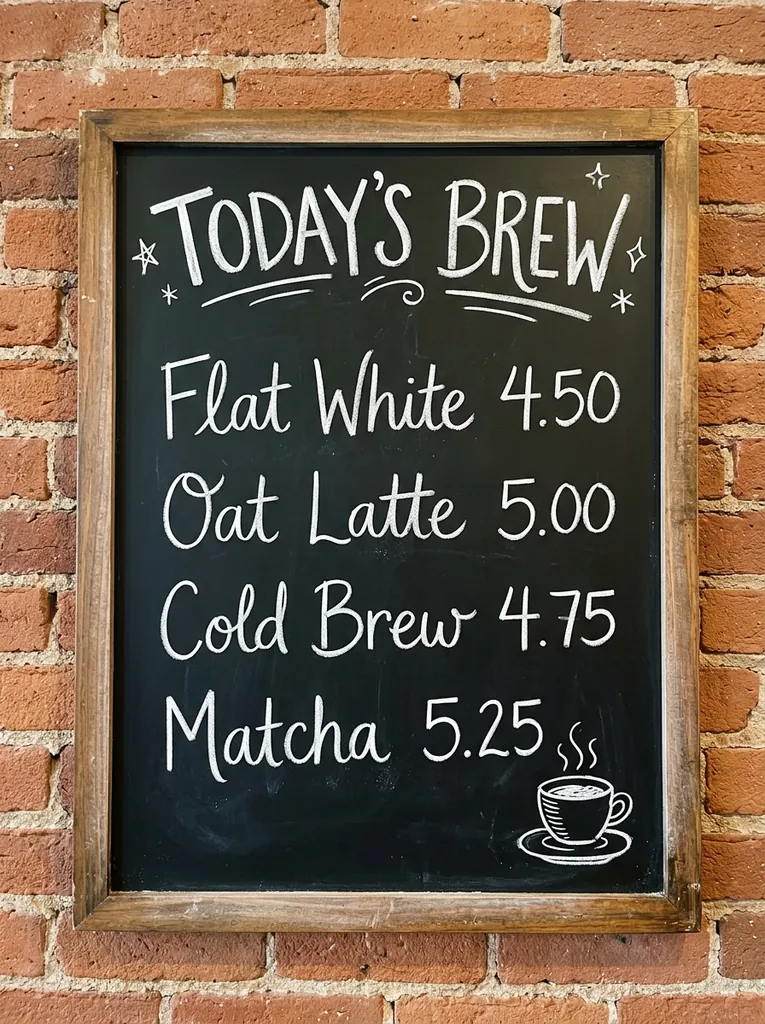
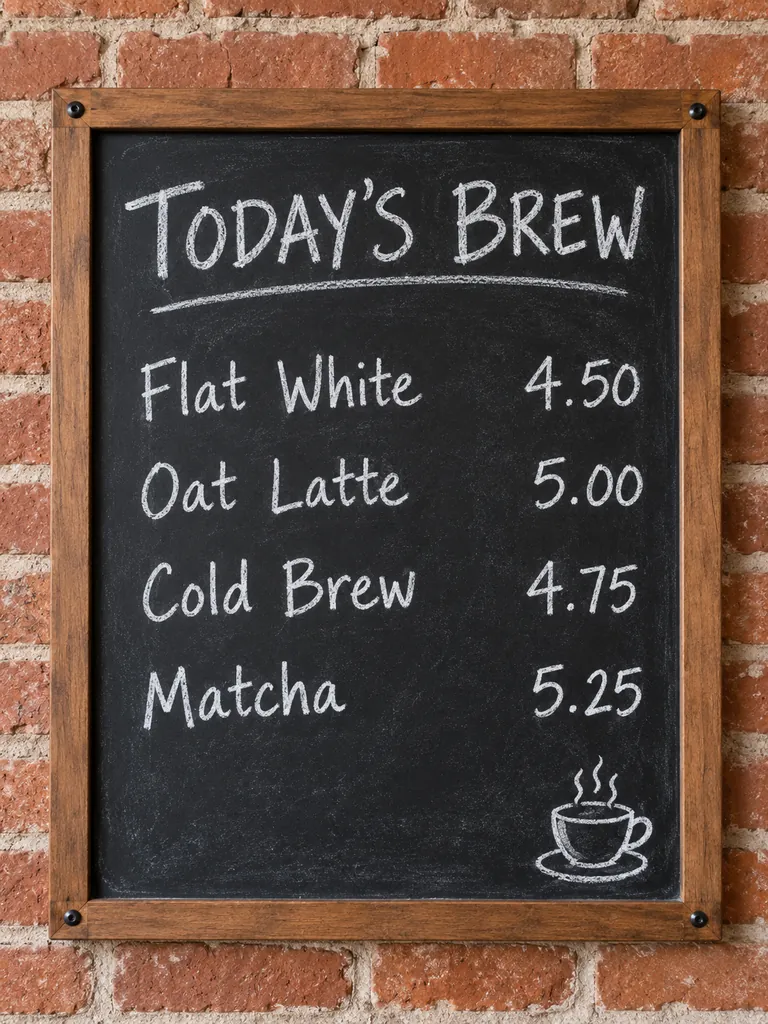
Text rendering is the first thing people test, because older models garbled it. Both models passed: the title and all four items with prices are spelled correctly in both images.
The difference is layout. GPT Image 2 aligned the prices in a clean right-hand column, like a real menu board. Nano Banana 2.1 wrote each line as a single run of decorative hand lettering with a sparkle on the title. If you need a price list a customer can scan, GPT Image 2's version is closer; if you want the board to look hand-made, Nano Banana 2.1's is.
Nano Banana 2.1
GPT Image 2
Test 2: a candid street portrait
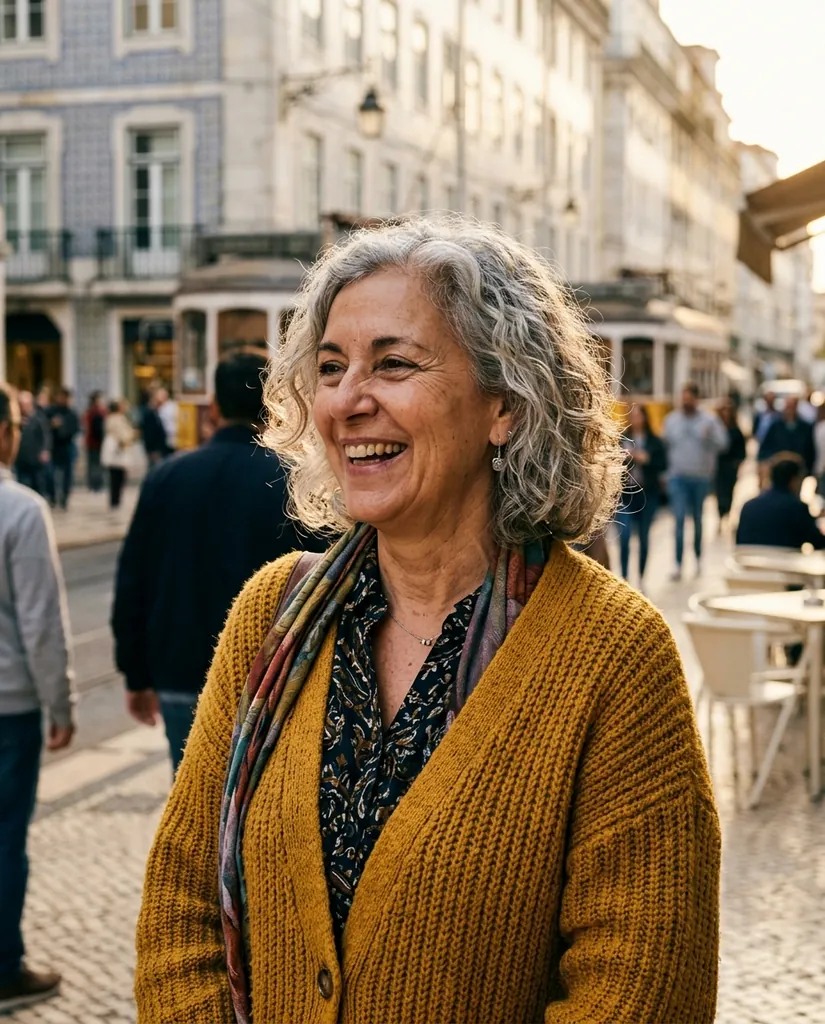
Photorealism of people is where both vendors have improved most, and the results here are close. Both kept natural skin texture, the silver curls, the mustard cardigan and the golden-hour light, and neither produced the waxy look older models were known for.
GPT Image 2 added more of the city: a yellow tram and the river behind, which reads instantly as Lisbon. Nano Banana 2.1 kept the tiled facades and a busier sidewalk, with the subject a little larger in the frame. Call this one a tie and pick on taste.
Nano Banana 2.1

GPT Image 2
Test 3: a product ad with a brand name and a tagline
This is the job most small businesses care about: a fictional brand, a headline, and a product shot that looks like it came from a studio.
Both spelled MOOLESS and "Barista smooth" correctly. GPT Image 2 delivered the stronger ad: a big frozen splash wrapping the carton and a confident white headline. It also printed several lines of small text on the carton that the prompt never asked for, which you would have to check or remove before using it. Nano Banana 2.1 made a quieter, cleaner shot with no invented copy, but broke the brand name across two lines (MOO / LESS) and kept the splash small.
Practical takeaway: for ads, generate with both and keep the one whose mistakes are easier to fix. Invented small print is easy to miss and hard to defend on packaging.
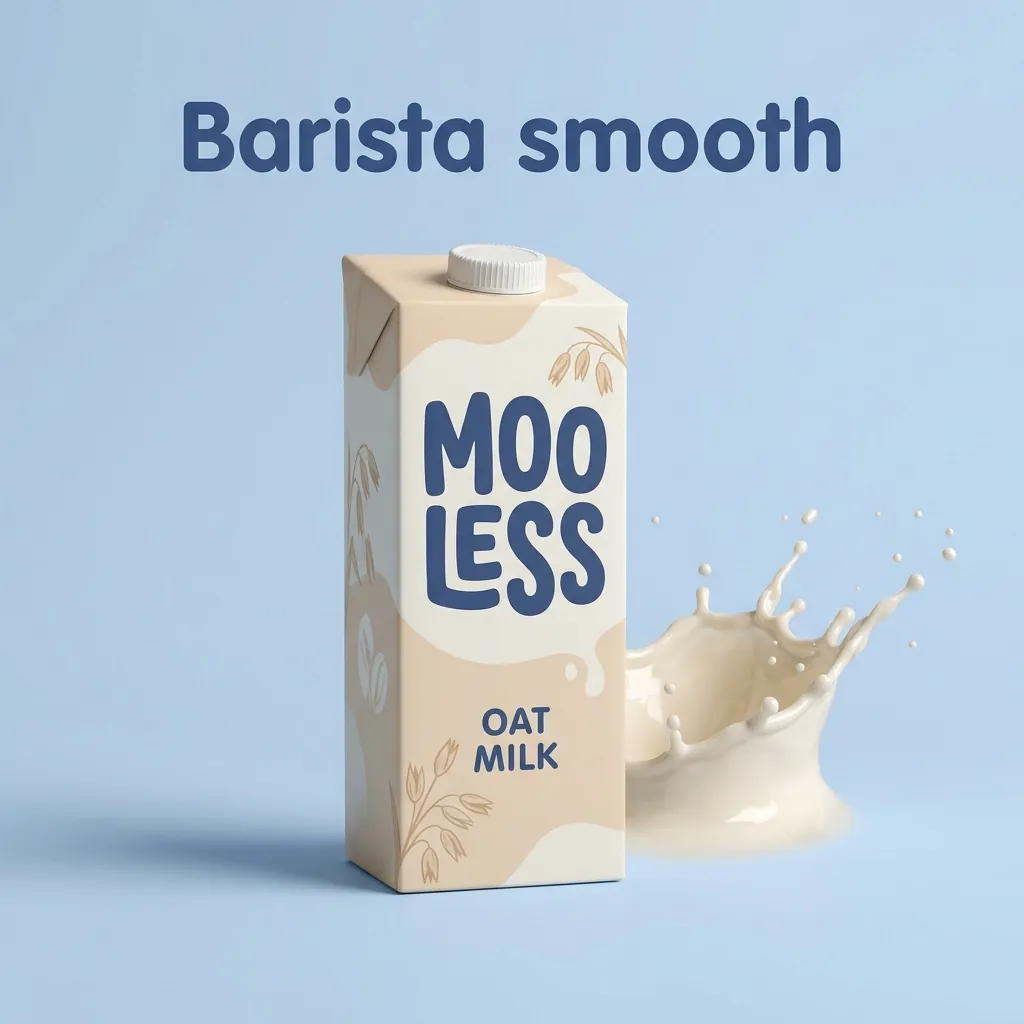
Nano Banana 2.1
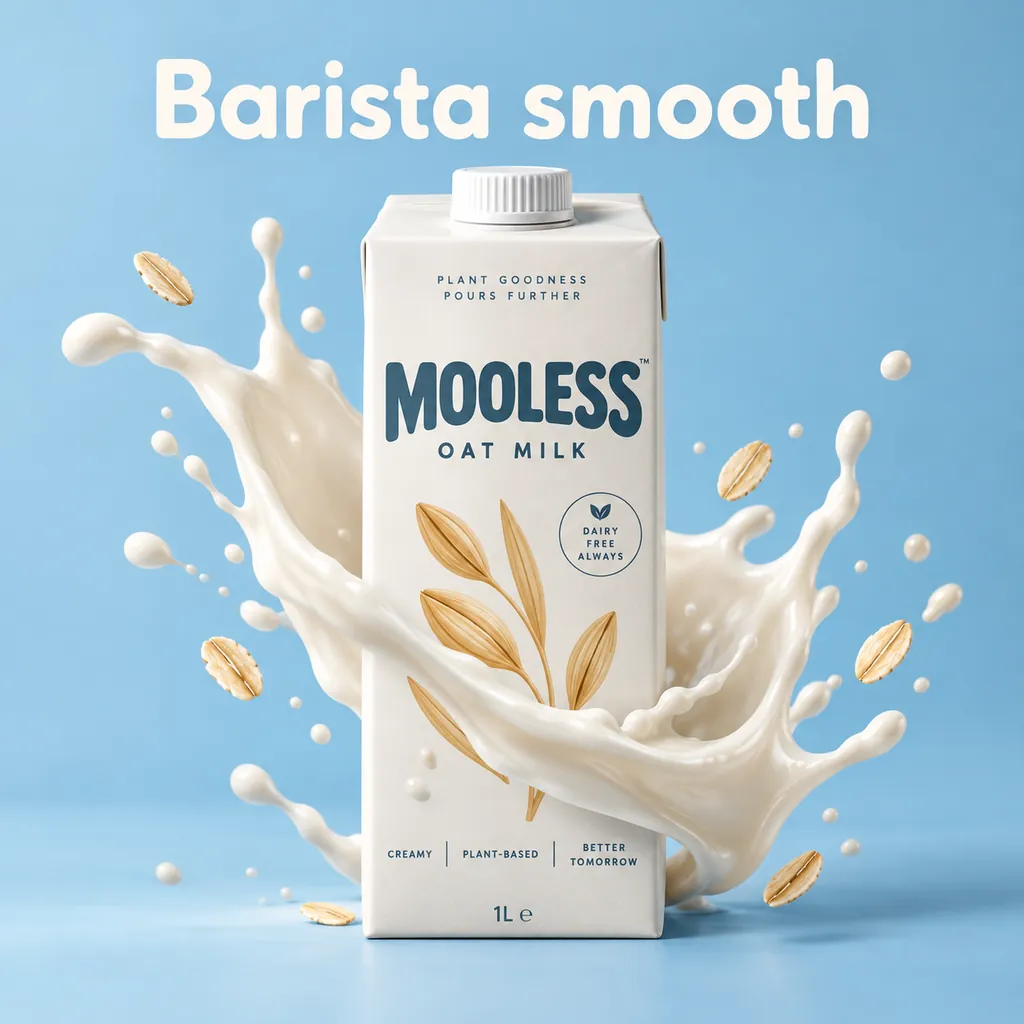
GPT Image 2
Test 4: editing a real phone photo
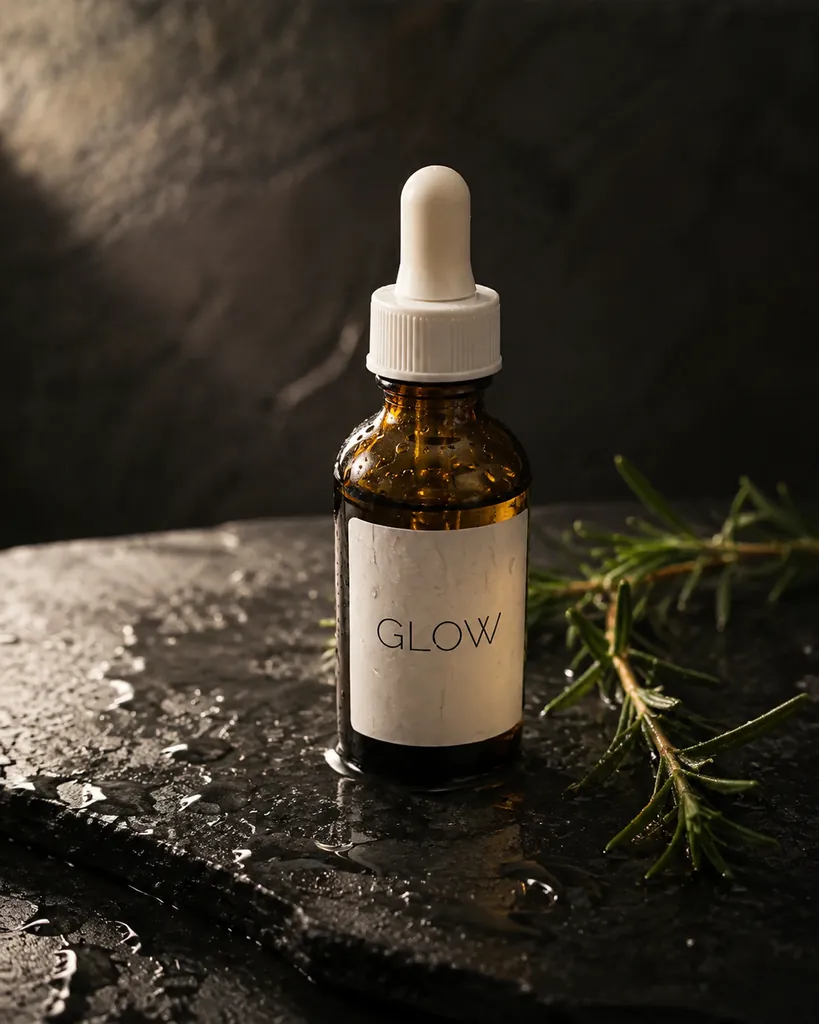
For the edit we gave both models the same casual phone photo of an amber serum bottle labeled GLOW and asked for a new scene while keeping the bottle, dropper and label exactly as they are. This is the core of AI product photography: the product must stay the product.
Both kept the bottle shape, the white dropper and the GLOW label, and both placed it on wet black stone with rosemary. Nano Banana 2.1 kept the bottle larger and closer to the original framing, which makes the label easier to read. GPT Image 2 went darker and moodier with more negative space. Both are usable; neither altered the product.
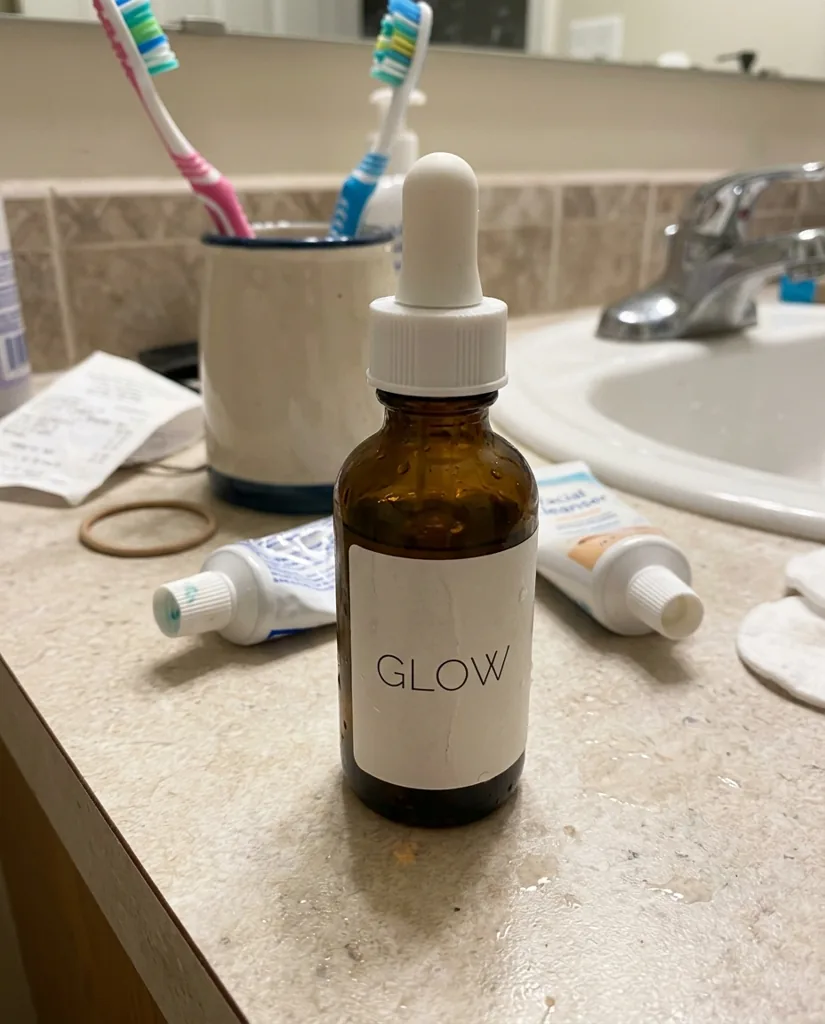
Reference photo
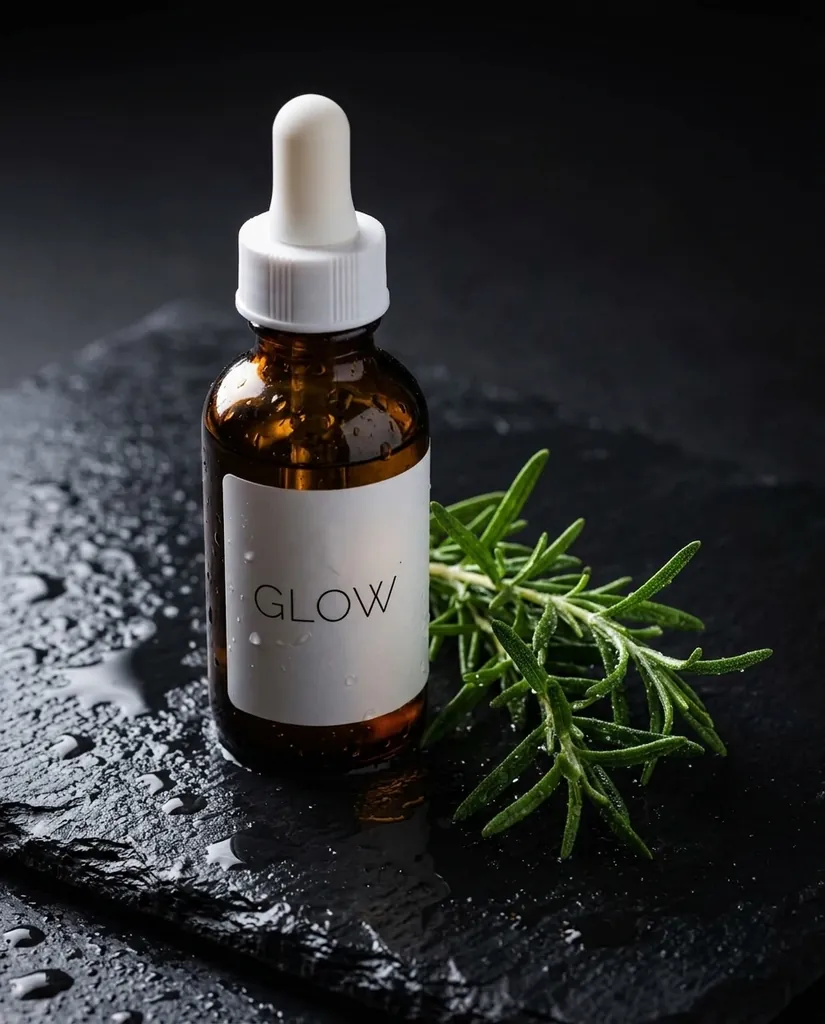
Nano Banana 2.1
GPT Image 2
Speed: why Nano Banana 2.1 felt so much faster
In our runs on 2026-10-07, every Nano Banana 2.1 image at 1K finished in 11 to 14 seconds. GPT Image 2 took 38 seconds for the fastest image and 3 minutes 21 seconds for the slowest, with the same prompts submitted at the same time.
Part of that is the model and part is provider queueing, so your numbers will vary by hour and by platform. The pattern matches what we have seen all week, though: Flash-tier Nano Banana models return in seconds, while GPT Image 2 is a "submit and come back" model. If you iterate on one image ten times, that difference is the difference between two minutes and half an hour.
Price: what each image costs
On Google's side the price is simple: Nano Banana 2.1 is $0.0336 per 1K image in the Gemini API, $0.0504 at 2K and $0.0756 at 4K, and half that in batch mode. That is roughly half of what Nano Banana 2 cost. OpenAI bills GPT Image 2 by tokens, so its price moves with the quality setting and the size; check OpenAI's current pricing page if you are comparing API bills.
On this site both are flat credit prices: GPT Image 2 is 10 credits at 1K, 15 at 2K and 20 at 4K; Nano Banana 2.1 is 20 at 1K or 2K and 30 at 4K. Failed or refused images are refunded automatically. The full per-image breakdown by plan is in our Nano Banana 2.1 pricing guide.
How to run your own Nano Banana 2.1 vs GPT Image 2 test
Four prompts are a start, not a verdict. The fastest way to decide for your own work is to run your real prompt through both:
- Sign in with Google and use the 20 free credits a new account gets (valid 7 days). That covers one Nano Banana 2.1 image or two GPT Image 2 images at 1K.
- Keep the ratio and resolution identical for both runs, and change nothing else in the prompt.
- For edits, attach the same reference photo to both and say exactly what must not change.
- Judge on the job, not the vibe: is the text right, is the product unchanged, would you publish it as is?
The GPT Image 2 model page has more GPT Image 2 samples, and the Nano Banana 2.1 vs Nano Banana Pro guide covers Google's own premium model if neither of these is enough.
FAQ
Is Nano Banana 2.1 better than GPT Image 2?
Not across the board. In our same-prompt test both rendered text correctly and produced convincing portraits. Nano Banana 2.1 was much faster and supports 8:1 panoramas and up to 4 consistent characters; GPT Image 2 made the more dramatic ad and the better-aligned menu, and costs fewer credits per image on this site.
Which is better for text in images?
Both spelled every word correctly in our tests. GPT Image 2 was better at aligned, table-like layouts such as a price list; Nano Banana 2.1 was cleaner on packaging and did not invent extra small print.
Which is faster?
Nano Banana 2.1, by a wide margin in our runs on 2026-10-07: 11 to 14 seconds per 1K image, against 38 seconds to over 3 minutes for GPT Image 2. Speeds depend on provider load.
Which is cheaper?
In the Gemini API, Nano Banana 2.1 costs $0.0336 per 1K image; GPT Image 2 is billed by tokens and varies. On nanobanana21.app, GPT Image 2 is 10 credits at 1K and Nano Banana 2.1 is 20.
Can GPT Image 2 make 8:1 panoramic images?
Not on this site: its widest formats here are 3:1 and 21:9. Nano Banana 2.1 supports 4:1, 8:1, 1:4 and 1:8 natively.
Can I use both models in one place?
Yes. On nanobanana21.app both are in the same model picker with one credit balance, alongside Nano Banana Pro, GPT Image 2.5, Seedream and FLUX Kontext. Sign in with Google to get 20 free credits.